
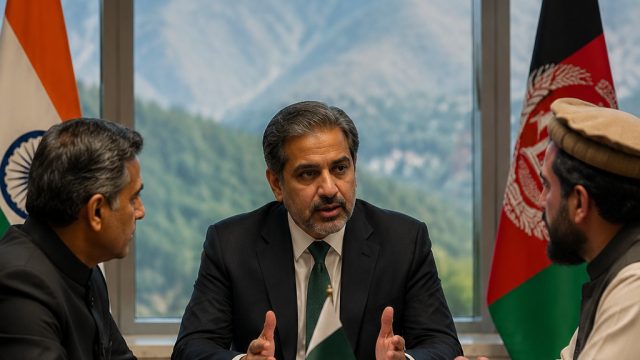
In the complex landscape of global geopolitics, Pakistan has emerged as a key player in fostering peace in the Middle East. As tensions escalate in the region, the importance of Pakistan's diplomatic efforts cannot be overstated. The nation's strategic positioning and historical ties compel it to act as a mediator, aiming to prevent conflicts from spilling over into neighboring territories. This article delves into the motivations behind Pakistan's peacemaking initiatives and analyzes their implications for regional and global stability.
The Geopolitical Importance of Pakistan
Pakistan's geographic location makes it a vital link between the Middle East and South Asia. This positioning, combined with its long-standing relationships with various regional actors, enables Pakistan to serve as a bridge for dialogue and negotiation. The need for stability in this tumultuous area has never been more critical.
Border Security and Economic Interests
- Avoiding Conflict Spillover: Given its proximity to conflict zones, Pakistan is motivated to ensure that tensions do not escalate towards its borders.
- Economic Consequences: Prolonged instability in neighboring regions can adversely affect Pakistan's economy, particularly through trade disruptions.
- Strategic Partnerships: By acting as a mediator, Pakistan strengthens its alliances with major powers like the United States and China, enhancing its geopolitical standing.
The Current Climate of Tension
Recent developments in the Middle East, including renewed conflicts and diplomatic rifts, have underscored the urgency for a mediator like Pakistan. The ongoing struggles between various factions and nations have created a precarious situation that threatens not only regional but also global stability.
The Role of Diplomacy in Conflict Resolution
Pakistan's approach involves leveraging its relationships with key players to facilitate dialogue and negotiation. By maintaining a neutral stance, Pakistan can engage with multiple parties, fostering an environment conducive to peace talks. This role is particularly crucial as tensions flare between nations, leading to the possibility of military confrontations.
How Pakistan is Making a Difference
The Pakistani government is actively pursuing diplomatic avenues to mediate conflicts in the Middle East. Recent initiatives have included:
- Hosting Peace Conferences: Pakistan has organized meetings aimed at bringing together conflicting parties to discuss solutions.
- Facilitating Bilateral Dialogues: Through direct engagement, Pakistan strives to address specific grievances that fuel discord.
- Collaborating with International Organizations: By working alongside the UN and other entities, Pakistan enhances its diplomatic credibility and reach.
Challenges Ahead
Despite its efforts, Pakistan faces significant challenges in its role as a peacemaker. These include:
- Internal Security Issues: Ongoing domestic challenges can divert attention and resources away from international diplomacy.
- Regional Rivalries: Conflicting interests among regional powers can complicate mediation efforts.
- Perception and Trust: Building trust with all parties involved requires sustained effort and transparency.
Conclusion: A Call for Continued Engagement
As the situation in the Middle East evolves, Pakistan's role as a mediator will be increasingly vital. The nation’s historical ties and strategic location position it uniquely to foster dialogue and understanding among conflicting parties. For the sake of not only regional stability but also global peace, it is imperative for Pakistan to continue its diplomatic efforts. The world watches closely as this South Asian nation steps up to address one of the most pressing issues in contemporary geopolitics. The stakes are high, and the need for effective mediation has never been more urgent.
