
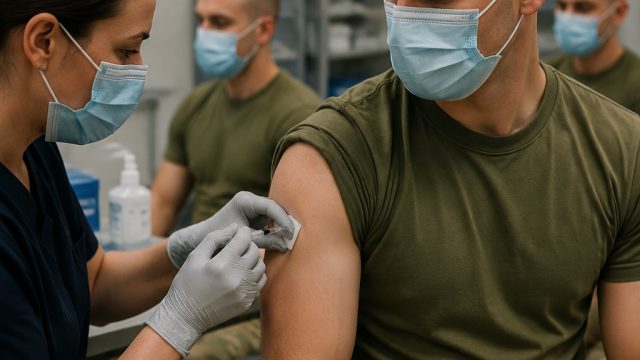
In a significant move aimed at protecting the health of service members, the US military has mandated flu vaccinations for all recruits once again. This decision comes in the wake of a troubling outbreak at a basic training facility, where nearly 300 trainees have fallen ill. As the flu season approaches, the reinstatement of the flu shot requirement highlights urgent public health concerns within the military community.
The Context of the Outbreak
The recent surge in flu cases at a US Air Force training base has prompted military officials to take decisive action. With an outbreak affecting a substantial number of trainees, the Pentagon recognized the necessity for enhanced preventive measures. This outbreak is particularly concerning given the prior suspension of mandatory flu vaccinations, which was based on a push for greater medical autonomy among service members.
Understanding the Previous Changes
In the past few years, the military's approach to vaccinations underwent a significant shift. The transition from mandatory vaccinations to a focus on individual choice sparked debates about the best course of action for maintaining troop health. Unfortunately, this shift coincided with an uptick in illnesses, prompting experts to question the risks associated with allowing recruits to opt out of vaccinations.
Why the Flu Vaccine Matters Now
Given the current health crisis, the reinstatement of the flu vaccine requirement is crucial for several reasons:
- Protection of Recruits: Ensuring that all recruits receive the flu shot minimizes the risk of widespread illness during training, which can derail the preparedness of military units.
- Community Health: Vaccination not only shields individuals but also protects the broader community by reducing the potential spread of the virus.
- Operational Readiness: A healthy military is essential for national defense. Illness can hinder training and operational capabilities, so vaccinating recruits is a strategic move.
Impacts on Military Operations
The flu season poses unique challenges for military operations, especially as the country navigates the lingering effects of the COVID-19 pandemic. With many service members facing potential health risks, the swift decision to reinstate the flu vaccine mandate reflects a proactive approach to preserving the integrity of military training and readiness.
Potential Challenges Ahead
While the decision seems straightforward, the reinstated mandate may not be without challenges:
- Resistance Among Recruits: Some individuals may still oppose mandatory vaccinations, which can lead to tensions within training environments.
- Logistical Hurdles: Quick implementation across various military branches poses logistical challenges, especially in ensuring adequate vaccine supply and distribution.
- Public Perception: The military's approach to health care is continually scrutinized; thus, public response could influence future vaccination policies.
The Road Ahead for Military Health Policies
As the military re-evaluates its public health strategies, the focus on vaccinations will likely intensify. Public health experts advocate for a sweeping review of health policies to ensure they are adaptable to ongoing challenges. This outbreak could serve as a catalyst for broader discussions about health and safety protocols in military contexts.
Advocating for Health Measures
The need for an effective vaccination strategy cannot be overstated, especially as flu outbreaks can severely impact troop readiness. Ensuring that all recruits are protected through mandatory flu shots is a step toward safeguarding not just individual health but also the effectiveness of military operations.
Conclusion
The reinstatement of mandatory flu vaccines for military recruits is a necessary response to the ongoing outbreak affecting basic training facilities. As the military grapples with the implications of this health crisis, the emphasis on vaccination as a preventive measure will play a crucial role in maintaining the well-being of recruits and ensuring the operational readiness of military forces. Stakeholders will be monitoring this situation closely as it unfolds, underscoring the importance of proactive health measures in protecting the nation's defenders.
