
Key Takeaways
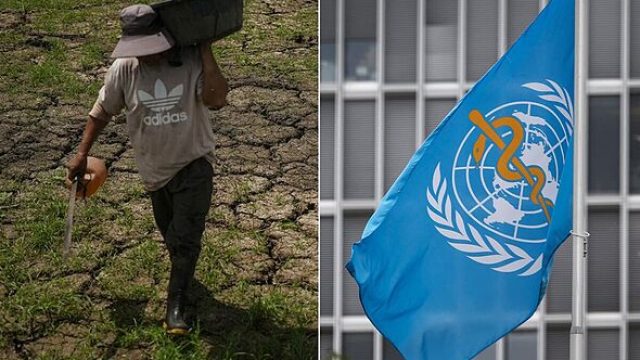
- The UN warns of a severe El Niño impacting global weather patterns.
- Southeast Asia faces heightened risks of drought and extreme heat.
- July 2023 was the hottest month recorded in the U.S., signaling trends.
- Indonesia and ASEAN nations must prepare for potential agricultural disruptions.
- This phenomenon may lead to increased demand for energy and water resources.
Understanding the Severity of the Situation
The UN’s recent announcement regarding the strengthening of El Niño has garnered widespread attention, especially as climate models predict profound changes in weather patterns across the globe. This year, July marked the hottest month recorded in the United States, raising concerns about the cascading effects of climate change, particularly in Southeast Asia.
El Niño, a climate pattern characterized by warmer ocean temperatures in the central and eastern Pacific, is known to significantly influence weather conditions worldwide. Its intensification can lead to severe droughts in some regions while causing heavy rainfall and flooding in others. The implications for Southeast Asia, including countries like Indonesia, are particularly alarming as these changes can disrupt agricultural production and threaten food security.
Impact on Southeast Asia: A Closer Look
Southeast Asia, home to a diverse range of ecosystems and economies, stands on the front lines of the El Niño impact. Here are some critical areas to consider:
1. Agricultural Disruptions
Countries such as Indonesia, with its reliance on agriculture, may suffer from extended periods of drought. This could significantly affect rice production, which is a staple food in the region, leading to increased prices and potential food shortages.
2. Water Scarcity
The forecasted extreme heat and reduced rainfall during the El Niño period will likely exacerbate water scarcity in already vulnerable areas. Urban centers like Surabaya and Bali may face challenges in securing necessary water supplies for both residents and agriculture.
3. Energy Demand Spikes
As temperatures soar, electricity demand for air conditioning and cooling systems is expected to surge, straining energy resources. Countries may need to find alternative energy solutions to cope with this increased demand, possibly resulting in higher energy costs.
4. Health Risks
Rising temperatures can also pose health risks, increasing instances of heat-related illnesses and exacerbating existing health conditions. Public health systems in nations like Indonesia may be overwhelmed if preventative measures and resources are not adequately implemented.
Adapting to Changing Conditions
Given these considerable challenges, nations within the ASEAN framework must take proactive measures. Collaborative efforts can be essential in addressing the upcoming impacts of El Niño:
- Investment in Climate Resilience: Countries need to invest in infrastructure that can withstand extreme weather events, including better irrigation systems and drought-resistant crops.
- Regional Collaboration: ASEAN countries should enhance cooperation and share resources to tackle the effects of El Niño collectively.
- Public Awareness Campaigns: Educating the public on the implications of El Niño and encouraging water conservation can help mitigate some of the impacts.
- Research and Monitoring: Continuous monitoring of climate patterns and conducting research can provide valuable data for timely decision-making.
Conclusion
The UN's warning about the intensifying El Niño is not just a call to attention but a rallying cry for action. With the potential for significant disruptions in Southeast Asia, especially in Indonesia, immediate and coordinated efforts are essential. The unique challenges posed by this climate phenomenon necessitate a united approach to ensure food security, health, and economic stability across the region.
