
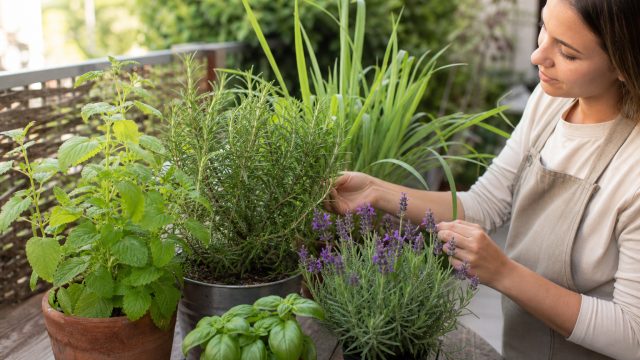
As summer approaches, the desire to enjoy warm evenings outdoors often collides with the unwelcome presence of mosquitoes. While many may reach for chemical repellents, there exists a more appealing and eco-friendly solution: cultivating fragrant plants that deter these pesky insects. This article explores how you can embrace the beauty of nature while keeping mosquitoes at bay, allowing you to enjoy your outdoor spaces to the fullest.
The Power of Scent: How Certain Plants Deter Mosquitoes
Certain plants not only beautify your garden but also release essential oils that mosquitoes find unappealing. Here are some of the most effective natural repellents that you can grow in your backyard:
Lemon Balm
Lemon balm (Melissa officinalis) is a fragrant herb that not only adds a zesty touch to your garden but also serves as an effective mosquito repellent. Its strong citrus scent masks the odors that attract mosquitoes. Planting it in pots or garden beds can significantly reduce mosquito presence in your area.
Citronella Grass
One of the most popular natural mosquito repellents, citronella grass (Cymbopogon nardus) is well-known for its use in candles and sprays. This tall, clumping grass emits a strong scent that disrupts the sensory receptors of mosquitoes, making it an excellent choice for outdoor spaces. Growing it in your garden can create a barrier against these insects.
Lavender
Known for its soothing fragrance, lavender (Lavandula) is not only a beautiful flowering plant but also a potent mosquito deterrent. The aroma of lavender is pleasant for humans and repulsive for mosquitoes. Whether in a flower bed or a container, lavender can enhance your garden while keeping the bugs away.
Creating an Inviting Outdoor Space
In addition to planting mosquito-repelling plants, consider implementing these strategies to enhance your outdoor experience:
- Plant Strategically: Arrange your mosquito-repelling plants near seating areas to maximize their effectiveness.
- Maintain Your Landscape: Regularly trim your garden to minimize standing water and tall grass where mosquitoes breed.
- Use Essential Oils: Consider using essential oils from these plants in diffusers or homemade sprays to create a more welcoming atmosphere.
The Benefits of Natural Solutions
Choosing natural repellents over chemical ones comes with a host of benefits:
- Environmental Impact: Natural plants are biodegradable and contribute positively to the ecosystem, unlike synthetic chemicals.
- Healthier Option: Reducing your exposure to chemicals can lead to better health for you and your family.
- Cost-Effective: Growing your own mosquito-repelling plants can save you money in the long run compared to buying commercial repellents.
Conclusion: Embrace Nature for a Better Outdoor Experience
The arrival of warmer weather should mark the beginning of enjoyable outdoor gatherings, not a battle against mosquitoes. By incorporating natural mosquito repellents such as lemon balm, citronella grass, and lavender into your garden, you can create a beautiful and functional space that allows you to enjoy the beauty of nature without the annoyance of pesky insects. Transform your yard into a peaceful retreat and relish every moment spent outside this summer!
