
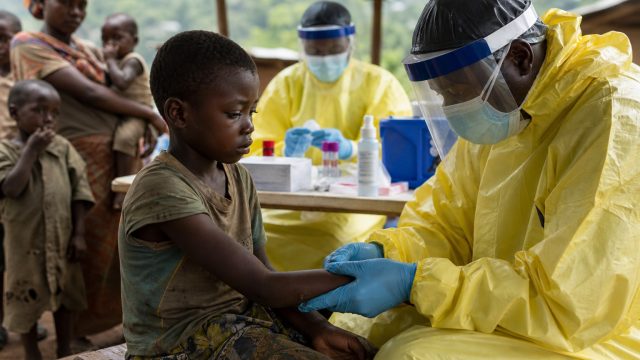
The Democratic Republic of the Congo (DRC) is grappling with a severe health crisis as the number of confirmed Ebola cases has surged past 1,000, marking a record high in the initial month of this outbreak. This alarming situation has put nearly 3 million children and adolescents at heightened risk, prompting organizations like UNICEF to call for immediate protective measures.
The Rising Toll of the Ebola Outbreak
As reported by the World Health Organization (WHO), this outbreak has reached unprecedented levels, surpassing all previous first-month totals. The rapid increase in cases is raising concerns about healthcare system capabilities and the overall safety of the population, particularly the younger demographic, who are often the most vulnerable in public health crises.
Understanding Ebola and Its Impact
Ebola, a viral hemorrhagic fever caused by the Bundibugyo virus, has devastating effects on the human body. Symptoms can escalate quickly, leading to severe illness and death, particularly among those with weaker immune systems such as children. The current outbreak’s speed and intensity underline the urgent need for effective interventions.
Why This Matters Now
The timing of this outbreak coincides with the ongoing socio-economic challenges faced by many communities in eastern DRC. Access to healthcare remains limited, and with many families already struggling, the threat of Ebola complicates their situation significantly. UNICEF has emphasized the importance of focusing on child welfare during this crisis, stating:
- Protection and Education: With schools reopening, many children are at risk of both illness and educational disruption.
- Healthcare Access: It is crucial to ensure that children receive vaccinations and are monitored for symptoms.
- Community Support: Families need resources and information to safeguard their children against the virus.
The Role of International Aid and Local Efforts
As the DRC faces this alarming public health crisis, the role of international organizations and local governments is crucial. Increased funding and resources are essential to effectively manage the outbreak and protect the most vulnerable populations. UNICEF is actively mobilizing efforts to deliver emergency supplies, healthcare support, and educational resources to affected areas.
Protecting the Future: Steps Forward
Addressing the immediate needs of those at risk is vital, but long-term strategies are equally important. Here are some key steps that must be taken:
- Enhanced Surveillance: Implementing better tracking of Ebola cases to respond swiftly.
- Healthcare Training: Educating local healthcare workers on Ebola management and prevention.
- Public Awareness Campaigns: Informing communities about the disease and preventive measures.
- Child-Centric Approaches: Developing programs focused on protecting children’s health and education during outbreaks.
Community Resilience and Support
Building resilience within communities is essential for managing not only the current outbreak but any future health crises. Local leaders, healthcare providers, and families must collaborate to strengthen health systems and provide essential support for children. Community involvement can foster a sense of safety and preparedness that is crucial in times of crisis.
Conclusion: A Call to Action
The current Ebola outbreak in the DRC highlights the urgent need for a concerted effort to protect vulnerable populations, especially children. As we witness the number of cases continue to rise, it is imperative for local and international stakeholders to prioritize health interventions and community support. By working together, we can mitigate the impact of this outbreak and ensure a safer future for the youth of DRC.
