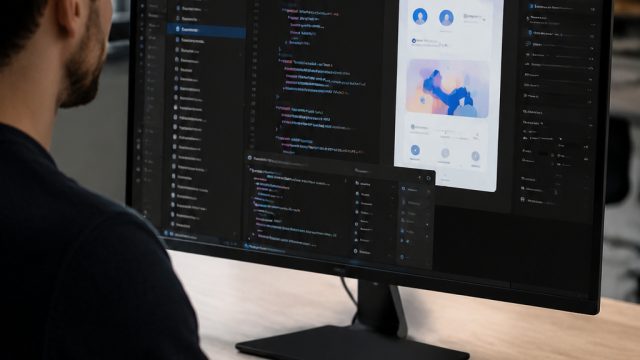
In an exciting development for designers and developers alike, Figma has rolled out a significant update, integrating new functionalities that promise to transform the user experience. This update not only introduces code layers but also enhances animation capabilities and brings forth advanced AI tools. Such innovations hold great potential, particularly in today's fast-paced design landscape where efficiency and creativity are paramount.
What's New in Figma's Update?
The latest update from Figma brings several features that users have been eagerly anticipating. Key among these is the addition of code layers, which allows designers to integrate code directly into their designs. This feature streamlines the workflow between design and development teams, reducing the time and effort needed to translate designs into functional products.
Enhanced Motion and Animation Support
Figma has also boosted its support for animations and motion graphics. The new capabilities enable designers to create more engaging and dynamic interfaces, making products not only visually appealing but also more intuitive to navigate. These enhancements come at a crucial time as user experience continues to be a top priority for brands.
- Custom Animations: Designers can now create intricate animations that add depth to their projects.
- Motion Effects: The updated tools provide options for seamless transitions and effects.
AI Features for Custom Plugin Development
With the incorporation of AI capabilities, Figma users can now leverage machine learning to develop custom plugins tailored to their specific needs. These tools can automate repetitive tasks, allowing designers to focus more on creativity rather than routine processes.
Advantages of AI Integration
Integrating AI into design workflows opens up new possibilities:
- Increased Efficiency: Automate mundane tasks and improve productivity.
- Enhanced Creativity: AI tools can provide design suggestions, sparking new ideas and approaches.
Why This Update Matters Now
As the design industry evolves, the demand for greater collaboration between designers and developers has surged. Figma's new features are perfectly timed to address this trend, bridging the gap between creative design and technical implementation. The introduction of code layers allows for a seamless workflow, fostering better communication and collaboration between teams.
Moreover, the emphasis on animations and AI not only makes projects more engaging but also aligns with current market expectations. As companies look for ways to differentiate themselves in crowded digital spaces, these tools will undoubtedly become invaluable assets.
How to Get Started with Figma's New Features
For those eager to dive into Figma’s latest offerings, here are some steps to get started:
- Update Your Figma App: Ensure you have the latest version of Figma to access all new features.
- Explore Code Layers: Experiment with integrating code into your designs to see how it enhances collaboration.
- Create Custom Plugins: Utilize AI tools to automate your workflow and elevate your design process.
Conclusion
Figma's latest update represents a significant leap forward in design and development collaboration. By introducing code layers and enhanced AI capabilities, it empowers users to streamline their workflows while pushing the boundaries of creativity. As digital products become increasingly sophisticated, these features will play a pivotal role in shaping the future of design. Embrace these innovations today and stay ahead in the ever-evolving design landscape.