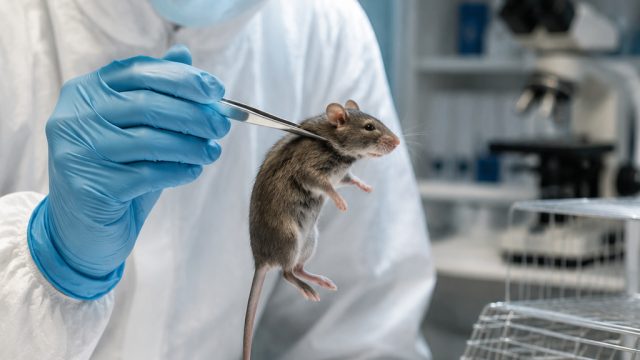
In a significant development for public health, the Centers for Disease Control and Prevention (CDC) has officially ended its response to the hantavirus outbreak, a move prompted by a notable reduction in risk levels across the United States. This decision marks a turning point not just for the individuals who were under quarantine but also for broader public health initiatives.
Understanding Hantavirus
Hantavirus is a serious viral infection spread primarily through contact with rodents, particularly their droppings, urine, and saliva. While the hantavirus pulmonary syndrome (HPS) is rare, it can be severe, leading to hospitalization or even death. Given its potential impact, the recent actions taken by the CDC are crucial for understanding the current landscape of infectious diseases.
The Recent Quarantine
The CDC’s recent quarantine measures came into effect as a precaution when eight Americans were exposed to the virus while on a cruise. These individuals were monitored for a period of six weeks to ensure that they did not develop symptoms associated with the virus. Following this monitoring phase, health officials have determined that the risk for Hantavirus has significantly diminished, allowing for the lifting of the quarantine.
Public Health Implications
With the end of this quarantine, it's essential to address what this means for public health strategies moving forward. The lifting of the response is a testament to the effectiveness of public health systems in managing outbreaks swiftly.
Increased Awareness and Preparedness
- Enhanced surveillance for hantavirus cases, especially in areas with reported rodent activity.
- Investment in public education campaigns to raise awareness about hantavirus transmission and prevention.
- Improved communication strategies between healthcare providers and public health officials regarding emerging viral threats.
Challenges Ahead
Despite the drop in risk, public health experts caution that vigilance is still necessary. Hantavirus remains a threat, particularly in rural areas where encounters with rodents are more common. Continued education and proper sanitation practices are vital to prevent future outbreaks.
Conclusion: Looking to the Future
The CDC's decision to end its hantavirus response underscores the importance of proactive health measures and the swift actions taken to minimize risks. As we transition back to normalcy, the focus must shift towards maintaining awareness and preparedness for potential outbreaks. Ongoing education about the dangers of hantavirus and promoting responsible practices can help mitigate risks moving forward.
This recent development in public health serves as a reminder of how quickly circumstances can change and highlights the need for continuous monitoring and response strategies in the face of infectious diseases. While the immediate threat may have subsided, the work of public health officials is far from over, ensuring safety and health for all citizens.