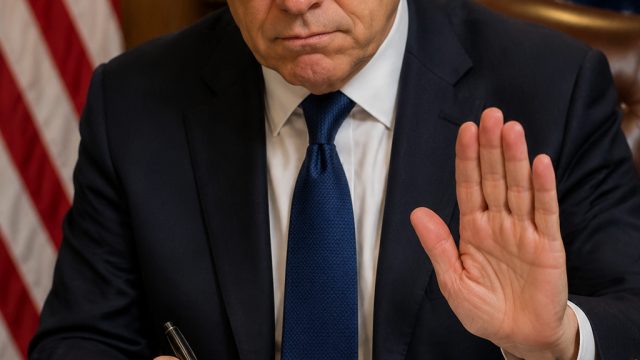
The political landscape in Ohio has become a hotbed of debate following Governor Mike DeWine's recent veto of House Bill 472. This legislation aimed to impose a requirement for voters to present a photo ID when voting absentee. The Governor's decision has reignited conversations about voting access, election integrity, and the potential impact on voter turnout.
The Veto Explained
House Bill 472 sought to introduce additional identification requirements for absentee voters, a move that supporters claimed would enhance election security. However, Governor DeWine articulated clear reasons for his veto, emphasizing that the legislation would fail to prevent electoral fraud and would add unnecessary complications for voters. He stated, “This bill would not discourage fraud, would not add any real security, and would create an additional and significant burden for Ohioans who vote by mail.”
Political Implications
DeWine's veto reflects a growing division within the Republican Party regarding voting rights and election security measures. While some party members advocate for stricter voting laws, others, including DeWine, recognize the importance of maintaining accessible voting options to ensure citizen participation.
- Legislative Response: The veto has prompted discussions about potential revisions to the bill that could balance security with accessibility.
- Voter Impact: Advocates for voting rights have praised the decision, arguing it protects the interests of vulnerable populations who may face challenges in obtaining a photo ID.
Current Context of Voting Laws
This decision comes amid broader national conversations surrounding voter ID laws and mail-in voting accessibility. Many states have enacted measures to increase voter ID requirements, citing concerns over fraud, despite studies showing little evidence of widespread issues. Ohio, a key battleground state, must now navigate these turbulent waters as it approaches the next election cycle.
The Importance of Voter Access
Ensuring voter access is crucial not only for the integrity of elections but also for upholding democratic principles. The Governor's veto signals a recognition of the potential barriers that stricter ID laws could pose, particularly for marginalized voters who may lack the necessary identification.
- Barriers to Voting: Lack of access to ID can disproportionately affect low-income individuals and minorities.
- Enhancing Trust: By prioritizing voter access, the state can foster greater trust in the electoral process among its citizens.
Looking Ahead
As Ohio gears up for future elections, the dialogue initiated by Governor DeWine's veto will undoubtedly shape legislative agendas. Lawmakers will need to consider the balance between ensuring security in the election process and maintaining an inclusive environment where every eligible voter can participate without undue burden.
Community Reactions
The reaction from the public and various advocacy groups has been mixed. While many celebrate the veto as a victory for voter rights, others express disappointment that the state is not pursuing what they perceive as necessary measures to safeguard elections.
- Support for Access: Community organizations are rallying to support continued mail-in voting as a means to ensure broader participation.
- Call for Dialogue: Advocates are urging state officials to engage in constructive discussions about how to balance security with accessibility in future legislation.
Conclusion
Governor Mike DeWine's veto of the photo ID requirement for absentee voting highlights a critical moment in Ohio's electoral landscape. As the state navigates the complexities of voting laws, the focus remains on fostering an inclusive electoral process that protects the rights of all voters. With elections approaching, this decision underscores the importance of ongoing dialogue about how best to achieve fairness and security in the democratic process.