
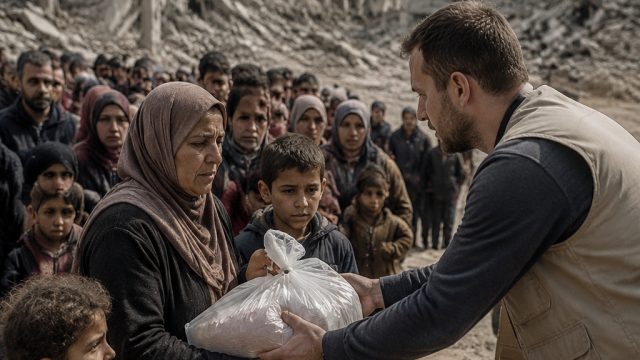
In an era marked by unprecedented challenges, the discourse surrounding humanitarian aid access has become increasingly urgent. Recent discussions involving activists and journalists highlight the stark contrast between the transportation of essential resources and the unrestricted movement of weapons. This issue not only affects the daily lives of individuals in specific regions but also raises profound ethical questions about global priorities.
Understanding the Humanitarian Challenge
The situation surrounding humanitarian aid is complex and layered. Activists argue that the same entities that hesitate to provide critical resources—such as food, water, and medical supplies—are often the ones facilitating the movement of arms. This paradox occurs in various contexts, from the ongoing crises in Cuba to other regions facing severe economic sanctions and blockades.
The Cuban Experience
Cuba's economic situation is emblematic of the challenges faced by many nations under similar constraints. The economic blockade has limited access to essential equipment, which is vital for maintaining basic infrastructure and services. As a result, the populace suffers from inadequate access to necessities, while the flow of weapons remains largely unimpeded. This raises questions about the motivations behind such actions:
- Why are essential resources often obstructed while arms transfer continues?
- What can be done to improve access to humanitarian aid?
- How does this disparity influence public perception and international relations?
The Role of Activism
Activists play a crucial role in advocating for the rights of individuals affected by these injustices. Through interviews and public discourse, they bring attention to the disparities in aid access and press for changes in policy. The voices of these advocates serve not only to inform the public but also to galvanize support for movements aimed at alleviating suffering:
Effective Advocacy Strategies
To enhance awareness and drive change, activists employ various strategies, including:
- Utilizing social media platforms to reach a broader audience.
- Collaborating with international organizations to amplify their message.
- Sharing personal stories that humanize the statistics and foster empathy.
The Importance of Global Awareness
The urgency of addressing humanitarian aid access cannot be overstated. As the world grapples with various crises—from natural disasters to geopolitical tensions—the need for a compassionate and organized response is critical. By understanding the underlying issues and supporting activists, individuals can contribute to a movement aimed at promoting equitable access to essential resources.
How You Can Help
There are several ways individuals can get involved and support humanitarian efforts:
- Donate to reputable organizations focused on providing emergency aid.
- Advocate for policies that promote humanitarian access in your community.
- Stay informed and share reliable information to raise awareness.
Conclusion: A Call to Action
The global landscape is rapidly changing, and the need for humanitarian aid is more pressing than ever. By understanding the complexities surrounding aid access and supporting those who advocate for it, individuals can play a vital role in fostering a more just and equitable world. Now is the time to act—let us ensure that everyone has access to the basic necessities that allow them to lead dignified lives.
