
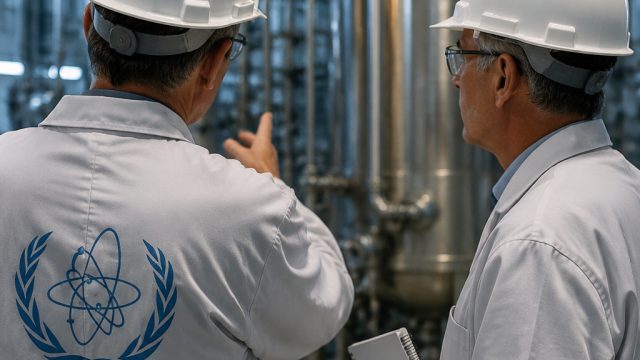
Nuclear Inspections in Iran: A Crucial Moment for Diplomacy
As the world watches closely, the International Atomic Energy Agency (IAEA) has announced that nuclear site inspections in Iran will proceed. While the timing of these inspections has been labeled as "not essential" by IAEA officials, their occurrence is pivotal in the ongoing discourse surrounding Iran's nuclear capabilities. The implications of these inspections could reverberate across global diplomatic channels, making it essential for stakeholders to stay informed about the developments.
The Context of Nuclear Inspections
The backdrop of these inspections is steeped in years of tension between Iran and the United States, characterized by negotiations that often spill into the public arena. The IAEA's steadfast commitment to ensuring transparency and security within Iran's nuclear program represents not just a regulatory measure but a key aspect of maintaining regional stability.
Negotiations Under Scrutiny
Recent discussions regarding the nuclear inspections have underscored the intricate dance of diplomacy. As U.S. officials and Iranian representatives engage in dialogue, the stakes are high. Some of the significant developments include:
- Public statements from both sides reflecting their negotiating positions.
- Concerns from international observers regarding the potential for escalated tensions.
- Calls for renewed commitment to previous agreements surrounding Iran's nuclear activities.
What This Means for Global Diplomacy
The upcoming inspections are not merely about the physical verification of nuclear sites; they carry profound implications for international relations. As Iran opens its doors to inspectors, several factors come into play:
Strengthening Diplomatic Ties
Facilitating nuclear inspections can serve as a confidence-building measure, potentially easing tensions between Iran and Western nations. Here’s why this matters:
- Trust Building: Allowing inspectors access can enhance trust in diplomatic negotiations.
- Engagement: It opens pathways for more extensive discussions, possibly leading to comprehensive agreements.
- Global Security: Ensuring that Iran’s nuclear program is monitored contributes to broader regional security.
The Role of Major Powers
Key players in the global arena, including the United States, Russia, and China, maintain vested interests in the outcome of Iran's nuclear inspections. Their positions influence not just bilateral relations but also multilateral diplomacy:
- United States: Aims for stringent oversight to prevent nuclear proliferation.
- Russia and China: Often advocate for Iran's right to develop its nuclear energy capabilities.
Looking Ahead: The Future of Iran's Nuclear Program
As the appointed date for inspections approaches, analysts are keenly evaluating how these developments could shape future negotiations. The IAEA's role will be crucial in this process, especially in addressing concerns regarding transparency and compliance.
The Path Forward
In conclusion, the upcoming nuclear inspections in Iran represent a significant moment not only for the nation itself but also for international diplomacy. As stakeholders navigate the complexities of negotiations, the outcome will undoubtedly have lasting repercussions on global security dynamics. It is vital for all parties involved to remain engaged and informed, as the next steps could either reinforce or undermine progress in global nuclear governance.
