
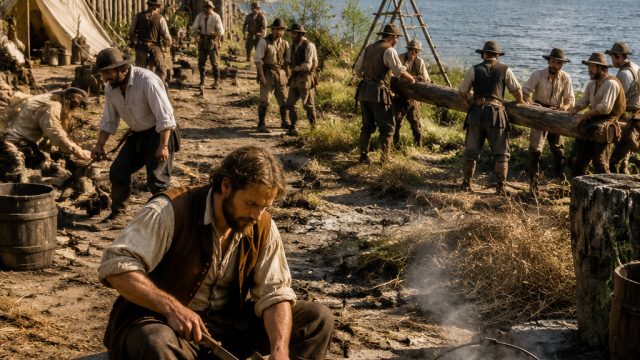
In the early 1600s, the establishment of Jamestown represented a critical turning point for English America. As the first permanent English settlement, Jamestown faced a myriad of challenges that not only tested the resilience of its settlers but also laid the groundwork for what would evolve into the United States. Understanding these struggles is essential to comprehending the complexities of early American history and the birth of a nation.
Jamestown's Beginnings and Survival Struggles
Founded in 1607, Jamestown was a product of ambition and the promise of prosperity. However, the reality that met its settlers was drastically different from their expectations. The colonists grappled with harsh environmental conditions, hostile relations with Indigenous populations, and scant supplies.
The Harsh Environment
- Weather Conditions: The early years in Virginia were marked by extreme weather, including harsh winters and scorching summers, which hindered crop production.
- Food Shortages: The settlers arrived with limited provisions, leading to dire food shortages that resulted in famine.
- Health Crises: The location of Jamestown was not ideal; brackish water contributed to diseases like dysentery, impacting the health of the settlers.
Conflict and Relations with Indigenous Peoples
Initially, Jamestown's settlers had hopes of establishing amicable relations with the Indigenous tribes. However, misunderstandings and resource competition quickly turned to conflict.
- Powhatan Confederacy: The nearby Powhatan tribe had complex political structures and was not eager to share resources, leading to tensions.
- Hostile Encounters: Skirmishes over food and land escalated, complicating the settlers' survival efforts.
- Trade and Diplomacy: Attempts at trade were made, but these were often met with suspicion and led to fluctuating relations.
Adaptation and Resilience
Despite these challenges, the settlers of Jamestown demonstrated remarkable adaptability. Several strategies emerged as they sought to survive and thrive in this new environment.
Leadership and Governance
Strong leadership proved vital for Jamestown's survival. The role of figures like Captain John Smith was essential in navigating both internal governance and external relations.
- Resource Management: Smith’s emphasis on agriculture and foraging helped improve food supplies.
- Military Defense: His leadership also involved organizing defenses against Indigenous attacks, which fortified the settlement.
- Community Cooperation: Encouraging cooperation among settlers fostered a sense of community and shared responsibility.
Agricultural Innovations
As the settlers experimented with crop cultivation, they learned to adapt to the land. The introduction of tobacco cultivation became a game-changer.
- Tobacco as a Cash Crop: By focusing on tobacco, Jamestown shifted its economic model, leading to increased revenue and trade opportunities.
- Learning from Indigenous Practices: The settlers adopted agricultural techniques from Indigenous peoples, improving their yields.
- Long-Term Sustainability: Establishing a reliable food source paved the way for future growth and expansion.
The Legacy of Jamestown
The struggles and triumphs of the Jamestown settlers laid the foundations for American society as we know it today. Their experiences of conflict and survival shaped early colonial policies and attitudes that would influence the evolution of the United States.
Lessons for Future Generations
The story of Jamestown serves as a reminder of the resilience required to establish a new life in unfamiliar territory. It highlights the importance of adaptation, community, and the interplay of cultures in shaping history.
- Understanding Conflict: The initial conflicts with Indigenous tribes remind us of the complexities of colonization.
- Value of Leadership: Strong leadership can guide communities through crises and foster resilience.
- Cultural Exchange: The blending of practices and ideas from diverse cultures can lead to innovation and growth.
As we reflect on the early days of Jamestown, we recognize that the challenges faced by its settlers resonate in many aspects of modern society. Their journey illustrates the ongoing human spirit of exploration and adaptation, echoing into the very fabric of American identity.
Conclusion
The decade of the 1600s at Jamestown was marked by trials and perseverance. It was a period where every decision could mean the difference between survival and failure. The lessons learned during this time remain relevant today, reminding us that through adversity, communities can find strength and forge new paths forward.
