
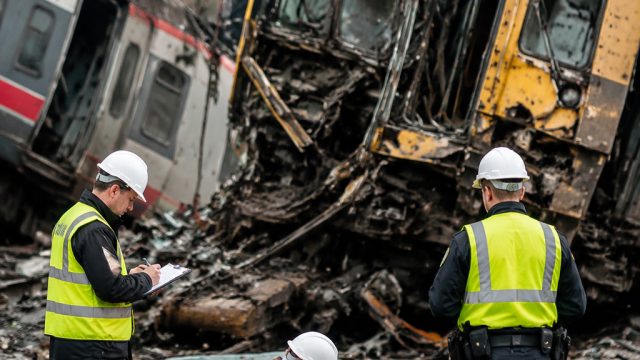
Investigators Reveal Key Details in Bedford Train Crash Incident
In a tragic event that has drawn significant public attention, the recent train crash in Bedford has left one driver dead and over 100 injured. As investigations proceed, new findings from the Rail Accident Investigation Branch (RAIB) are shedding light on the circumstances leading up to this devastating incident.
Overview of the Incident
On the day of the crash, the southbound Luton Airport Express, originating from Corby, failed to stop at a crucial red signal. Meanwhile, the other train involved had halted on the line due to a malfunction in its warning system, which erroneously activated its brakes. This convergence of miscommunication and technical failure has raised concerns about the effectiveness of current safety measures in place on the rail network.
The Role of Automatic Warning Systems
The interim report has highlighted critical questions regarding the train's Automatic Warning System (AWS). Investigators are working to determine whether the system accurately alerted the driver about the danger signal.
- What protocols are in place for alerting drivers?
- How frequently are these systems tested and maintained?
- Are drivers adequately trained to respond to these alerts?
Implications for Rail Safety
The Bedford crash has reignited discussions about the importance of stringent safety protocols in the railway industry. With more than 100 individuals affected, the need for reform is apparent. The RAIB's findings could lead to significant policy changes aimed at preventing similar incidents in the future.
Potential Changes in Regulations
As authorities digest the details of the RAIB report, several key areas are under scrutiny:
- Enhancing signal visibility and communication systems.
- Regular audits of safety equipment and training programs.
- Stricter penalties for safety violations among railway companies.
These potential changes aim to bolster the safety of passengers and crew alike, ensuring that such tragedies do not occur again.
Public Reaction and Future Directions
The public's response to the incident has been one of shock and concern, with many calling for immediate improvements in rail safety protocols. Social media platforms have seen an outpouring of sentiments and discussions regarding how best to protect passengers.
The Importance of Continued Monitoring
As the investigation is ongoing, experts emphasize the importance of continuous monitoring and evaluation of railway systems. Key aspects that need attention include:
- Monitoring the performance of automatic systems.
- Analyzing human factors in operational incidents.
- Implementing technological advancements in train safety.
Conclusion: A Call for Reform
The Bedford train crash serves as a stark reminder of the fragility of rail safety. As investigations continue, it is crucial for railway authorities to take decisive action based on the findings of the RAIB. By prioritizing safety and adopting a proactive approach, the railway industry can work towards ensuring that the safety of passengers and crew is never compromised again. The lessons learned from this tragedy could pave the way for a safer future in public transport.
