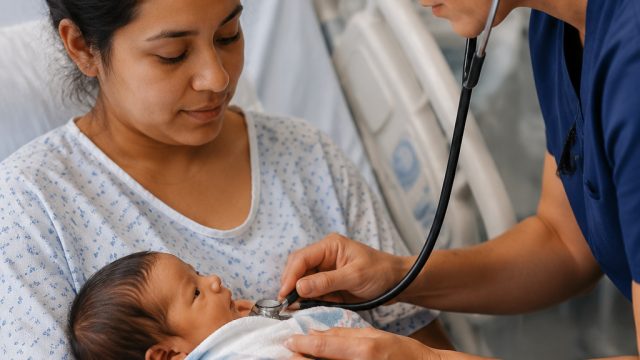
The ongoing discussion surrounding birthright citizenship in the United States has taken a new direction, particularly with its implications for infant healthcare. As the Supreme Court gears up to hear cases that may redefine citizenship rights for newborns, the stakes are especially high for healthcare access. This discussion is crucial now more than ever, as millions of infants rely on immediate medical care at birth.
The Legal Framework of Birthright Citizenship
Birthright citizenship refers to the legal right for individuals born on U.S. soil to automatically receive American citizenship, as established by the 14th Amendment. This constitutional guarantee has been a point of contention recently, as lawmakers and advocacy groups debate its interpretation and application.
Current Cases Before the Supreme Court
Several cases challenging the principles of birthright citizenship are currently making their way to the Supreme Court. Legal experts warn that any change to these established norms could have broader implications, particularly regarding healthcare access for newborns and their mothers.
- Potential changes to citizenship can affect insurance coverage for infants.
- Legal definitions of citizenship could impact access to government-funded health programs.
- Healthcare providers face uncertainty regarding patient eligibility and rights.
Healthcare Access: A Right or a Privilege?
The potential shift in the interpretation of birthright citizenship raises critical questions about access to healthcare for infants. Under current laws, infants born in the U.S. are entitled to healthcare services regardless of their parents' status. However, uncertainty surrounding citizenship could create barriers for many families.
Impacts on Infant Healthcare Services
With the ongoing debate, healthcare providers are increasingly concerned about how changes in citizenship laws may affect their ability to offer essential services to infants. Key issues include:
- Insurance Coverage: New rules may alter how health insurance covers newborns, impacting everything from routine check-ups to emergency services.
- Access to Programs: Many government health programs rely on citizenship status; changes could limit access for vulnerable populations.
- Provider Responsibilities: Healthcare providers may face legal challenges in determining citizenship and healthcare eligibility.
The Role of Advocacy Groups
In light of these potential changes, advocacy groups are ramping up efforts to protect the rights of newborns and ensure access to necessary healthcare services. These organizations emphasize that healthcare is a fundamental right for all, regardless of citizenship status.
Key Initiatives by Advocacy Groups
Several initiatives are underway to address concerns related to healthcare access and birthright citizenship:
- Public Awareness Campaigns: Educating communities about their rights and available healthcare services.
- Legal Assistance: Providing support to families facing legal hurdles regarding citizenship and healthcare.
- Policy Advocacy: Lobbying for laws that protect healthcare access for all newborns, regardless of their parents' status.
Conclusion: The Importance of Staying Informed
As the Supreme Court prepares to hear pivotal cases that could reshape birthright citizenship, the implications for infant healthcare cannot be ignored. Parents and healthcare providers must stay informed about these developments to ensure that all infants receive the care they need at the most critical time in their lives. The ongoing debate highlights the necessity of advocacy and informed dialogue surrounding these important issues as they unfold.