
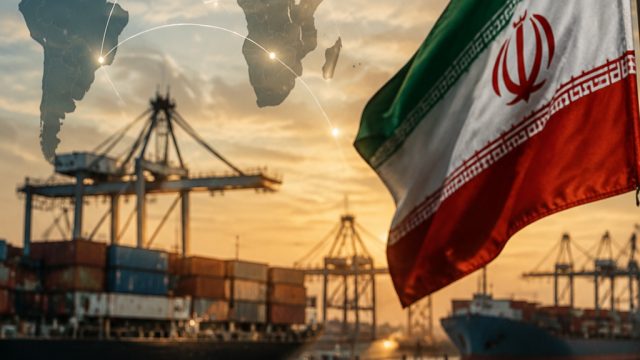
In a notable development, discussions between U.S. officials and Iran have hinted towards a significant transition in how the latter may handle its oil sales. Treasury Secretary Scott Bessent recently addressed the possibility of Iran joining the dollar invoicing system, a move that could have profound implications for global trade. This article delves into the details and significance of these talks, exploring why this matters at this moment.
The Context of Dollar Invoicing
For decades, the dollar has maintained its status as the dominant currency in international trade, particularly in the oil sector. Currently, most oil transactions are conducted in dollars, which provides the U.S. with considerable leverage over global markets. If Iran shifts to invoicing its oil sales in dollars, it could mark a pivotal shift not only for the country but for the entire framework of oil trade.
Historical Perspective
The U.S. has long imposed sanctions on Iran, limiting its ability to engage in global trade, especially in oil. The idea of Iran adopting the dollar for its transactions presents a stark contrast to its previous stance of using alternative currencies or barter systems. This shift could signify a thawing of relations and potential economic cooperation, impacting not only regional dynamics but also global oil prices and trade routes.
Implications for Global Markets
Should Iran adopt dollar invoicing, the ripple effects may be felt across various sectors and economies worldwide. Analysts are closely monitoring the potential consequences:
- Supply and Demand Fluctuations: Increased Iranian oil in the market could lead to lower prices, affecting global supply chains.
- Impact on Oil Pricing: Dollar-based pricing could stabilize fluctuations in oil prices, benefiting both producers and consumers.
- Increased U.S. Leverage: By integrating Iran into the dollar system, the U.S. may regain some control over a volatile market.
Why This Matters Now
The timing of these discussions could not be more critical. With global economies still recovering from the pandemic's aftermath, the dynamics of oil pricing and trade are under intense scrutiny. As countries grapple with inflation and energy costs, the integration of Iranian oil into the dollar system might offer a buffer against rising prices. Furthermore, it could re-establish some level of trust in U.S.-Iran relations, which have been fraught with tension for years.
The Future of U.S.-Iran Relations
As the discussions progress, the future of U.S.-Iran relations remains uncertain. The prospect of economic cooperation hinges on various factors, including political will and international reactions. If Iran proceeds with dollar invoicing, it could pave the way for a more stable relationship, encouraging further negotiations on other contentious issues.
Conclusion: A Turning Point?
The potential shift of Iran to dollar invoicing is more than just an economic maneuver; it represents a significant geopolitical development. As the world watches closely, the implications for global trade, oil prices, and U.S.-Iran relations will continue to unfold. Stakeholders in the global market must remain vigilant, as the outcomes of these talks could redefine not just oil trade but also international economic policies moving forward.
